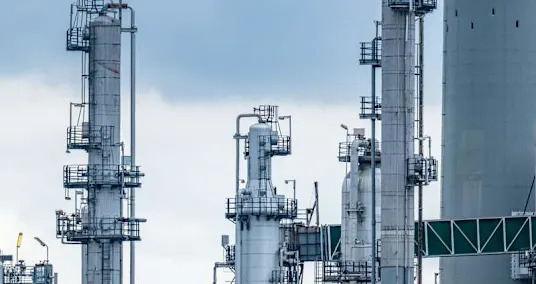
Environmental groups have called for a faster move away from oil and gas, arguing that the Iran war and its consequences have exposed Germany's continued dependence on imported fossil fuels.
In a joint paper seen by dpa, the organizations said Germany's reliance on fossil fuel imports was fuelling inflation and economic uncertainty, much as it did during the 2022 energy crisis that followed the start of Russia's war against Ukraine.
The signatories include the Federation for the Environment and Nature Conservation (BUND), Campact, Environmental Action Germany (DUH), Germanwatch, Greenpeace, the Nature and Biodiversity Conservation Union (NABU) and WWF.
The groups called for a further expansion of renewable energy. In their view, buildings should be upgraded more efficiently for energy use and the switch to climate-friendly heating systems such as heat pumps should be secured.
They also said contracts and infrastructure should not lead to the long-term import of liquefied natural gas (LNG).
New registrations of petrol and diesel cars as well as plug-in hybrids should no longer be allowed from that point, they said. The groups also called for a speed limit on motorways and a reduction in the maximum speed for cars on rural roads.
Rail services and public transport should be significantly expanded, industrial processes switched to electricity use and subsidies for fossil fuels phased out, the groups said.
LATEST POSTS
- 1
 'The Housemaid' movie with Sydney Sweeney and Amanda Seyfried premieres this month. What the stars have said about the psychological thriller.
 - 2Kids with smartphones by age 12 are at higher risk of health issues, study finds
- 3Opening Your True capacity: 12 Techniques for Personal growth
- 46 Methods for further developing Rest Quality
- 5Was This Driver Simply Having Some good times Or Behaving Like An Ass?



- Figure out How to Forestall Tooth Staining
- The Best Games Crossroads in History
- FDA claims on COVID-19 vaccine safety are unsupported by reliable data – and could severely hinder vaccine access
- 2025 among world's three hottest years on record, WMO says
- Exclusive-Head of Pemex's production arm to step down in coming days, sources say
- 12 Once-In-A-Lifetime Travel Experiences To Add to Your Bucket List
- From Dread to Certainty: Individual Accounts of Strengthening
- Home Machine Basics: An Exhaustive Purchasing Guide
- Hilary Duff releases 'Mature,' her 1st song in 10 years